
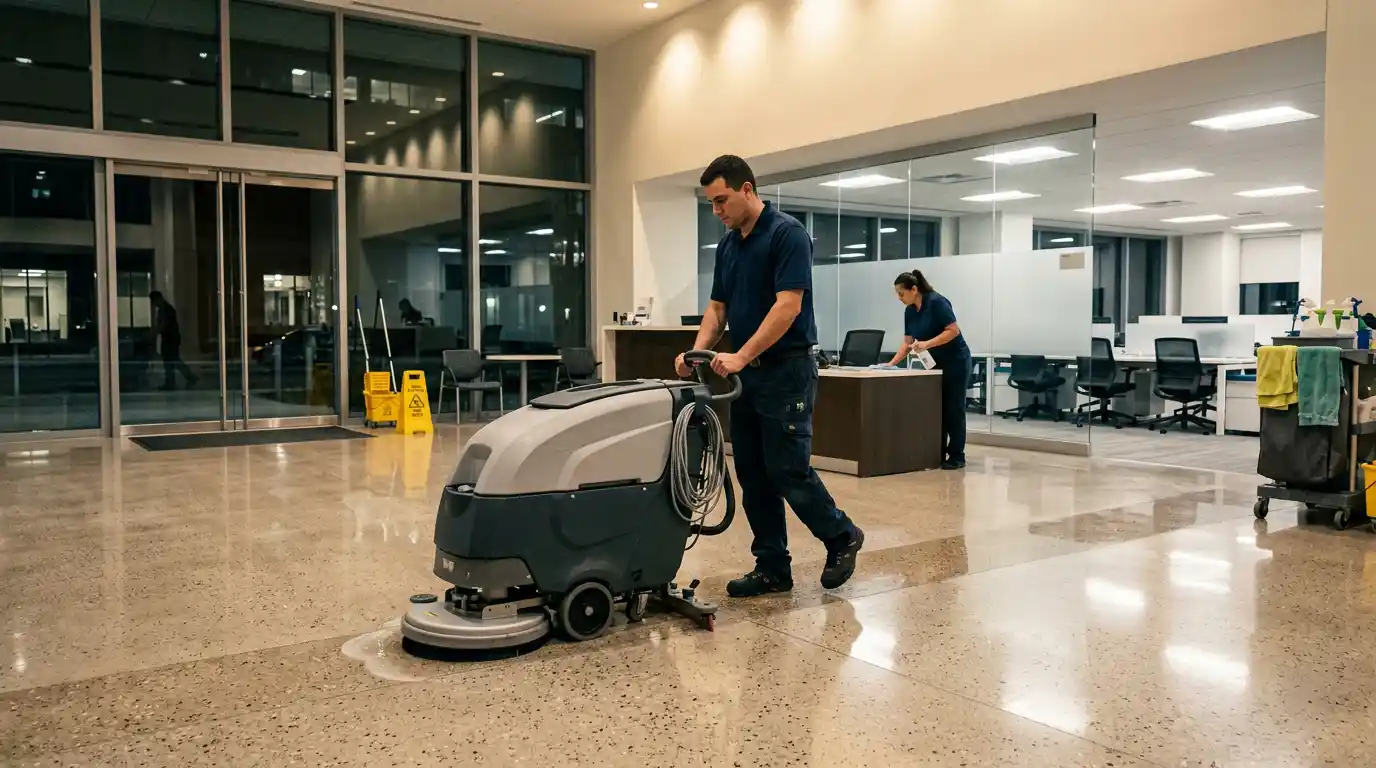
Summer changes the way floors and fabrics get used. Kids snack in living rooms, craft supplies move from the table to the carpet, pets follow the action, and rainy-day mud rides in on shoes. In Sandhills homes, summer mess often lands on top of spring pollen, dust, red clay, grass, and everyday grit. The goal is not a spotless house every hour.
The goal is a simple plan that keeps spills from becoming stains, keeps traffic lanes from looking worn, and supports routine upkeep.
A room-by-room map helps you focus on the places most likely to collect crumbs, spots, odors, and wear.
Walk through the spaces children use most. Mark snack zones, play areas, craft tables, pet nap spots, entry paths, and carpeted hallways that already look darker than the rest. This keeps you from treating the whole home like one problem.
A family room may need crumb control and spill response. A bedroom may need craft protection. An entry may need red clay, sand, grass, and muddy-shoe control. A rental, office, waiting room, or mixed-use space may need a traffic-lane plan before summer visitors increase.
Carpet, area rugs, Oriental rugs, upholstery, tile, and grout do not respond the same way. Soft surfaces hold crumbs, dust, pet hair, and liquid spills in fibers. Tile can look clean while grout lines still hold buildup. A broader seasonal soft-surface review can help when you are comparing carpet, upholstery, and rugs.
Fast, calm cleanup protects carpet better than random scrubbing after a spot has dried.
Keep clean white towels, a dull spoon or scraper, a small trash bag, and a gentle cleaner approved for your material near spill-prone rooms. Avoid unknown mixtures on rugs or upholstery, especially delicate fabrics or dyed pieces.
You do not need to ban snacks from every room. You need predictable rules. Keep sticky drinks, berries, chocolate, and colored ice pops at a table when possible.
Use washable trays for couch snacks. For high-traffic households, routine vacuuming plus periodic carpet and rug cleaning can keep embedded crumbs, grit, and residue from building into a bigger problem.
For liquid spills, blot from the outside toward the center. Scrubbing can push color deeper, fuzz the carpet pile, or spread the spot. For thick spills like yogurt, applesauce, or melted treats, lift the extra material first. Add moisture carefully, because soaking the area can send residue below the visible fibers.
Paint, slime, glue, marker, and dye-heavy drinks require patience. Check the product label, test any cleaner in a hidden area, and stop if color transfers to your towel. Delicate rugs need extra caution because dyes, fringe, backing, and fiber type can change the safest cleaning method.
Summer mess is not always visible. Odor often points to residue, moisture, pet activity, or dusty airflow.
Set up crafts on a washable tablecloth, an old sheet, or a plastic mat that extends beyond the chair legs. Keep scissors, glue, beads, glitter, and markers in trays instead of loose piles.
Pick up dry items first, such as paper scraps, beads, glitter, and cereal pieces used for projects. Then lift sticky solids. Handle liquids last so you do not kneel or walk through them. Vacuum only when the material is dry and safe for the vacuum.
Sofas, dining chairs, and playroom seating can collect glue smudges, snack oils, juice drips, and dust. If fabric looks dull, feels rough, or smells stale, upholstery cleaning may belong in the same maintenance plan as carpet care.
Pet accidents need more than appearance cleaning. Blot fresh moisture, keep pets away from the area, and avoid heavy perfume sprays. If the same spot keeps attracting pets, the source may still be present.
A pet odor reset may include carpet and rug cleaning, upholstery cleaning, pet odor and stain treatment, odor treatment, or indoor-air maintenance, depending on the property.
When kids spend more time indoors, dust, pollen, pet dander, and crumbs move around faster. Vacuum traffic lanes, under furniture edges, and near vents.
Replace HVAC filters at the interval recommended for your system. Air duct cleaning may be worth considering when dust-heavy airflow, pollen buildup, pet dander, or stale air keep returning after surface cleaning.
For a practical summer reset, schedule a maintenance-focused walkthrough for carpet and rugs, upholstery, odor concerns, tile and grout, air ducts, dryer vents, carpet stretching, or repair needs so each surface gets the right level of attention without turning every room into the same project.
Small habits reduce the abrasive soil that makes carpet look flat, gray, and tired.
Entry mats, shoe control, and quick vacuuming matter because gritty soil acts like sandpaper underfoot. During rainy weeks, mud and red clay can move from entryways to living areas in minutes.
Put washable mats inside and outside the busiest doors. Keep a towel near pet entries. Ask kids to park shoes, sports bags, and damp towels away from the carpet.
Vacuum busy paths more often than low-use rooms. Family rooms, hallways, stairs, playrooms, rental entries, offices, and waiting areas usually need the most attention. Slow passes work better than fast ones, especially where crumbs and grit settle low in the pile.
Cleaning can improve soil and odor problems, but it will not fix ripples, wrinkles, loose seams, burns, tears, or damaged patches. Those issues may need carpet stretching or carpet repair. Addressing them early can keep a small problem from becoming more noticeable under summer foot traffic.
A planned reset gives you a checkpoint before stains, odors, and traffic lanes become the whole story.
Midway through summer, review the rooms that carried the most activity. Look for sticky spots, recurring odors, dull upholstery, flattened walk paths, discolored grout, and rugs that need careful handling.
For rental properties, commercial interiors, and shared spaces, a summer traffic plan can keep flooring, seating, and entry paths on the same maintenance calendar.
Snack spills do not stop at the carpet. Kitchens, bathrooms, breakrooms, and entry-adjacent tile can hold soil and discoloration in grout lines even after mopping. A tile and grout cleaning before summer traffic plan can help you decide when hard-floor buildup needs more than routine mopping.
The best summer carpet plan should be simple enough to repeat
Set snack zones. Keep a spill kit ready. Blot instead of scrub. Vacuum high-traffic paths before grit settles deeper. Protect craft areas before the mess starts. Treat odor as a clue, not just a smell. A practical routine helps you stay ahead of the mess without chasing every crumb.
These answers help you make practical carpet, fabric, rug, tile, odor, and vent-care decisions during a busy summer season.
Vacuum the busiest paths more often than low-use rooms. Hallways, stairs, family rooms, playrooms, and rental entries collect crumbs, grit, and pet hair quickly. Slow passes help lift debris that settles low in the pile.
Remove solids first, then blot liquids with a clean white towel. Work from the outside of the spot toward the center to limit spreading. Avoid heavy scrubbing because it can distort fibers and push residue deeper.
Yes. Glue, paint, slime, marker, and dye-heavy materials may need different handling than crumbs or juice. Read the craft product label, test cleaners in a hidden area, and stop if color transfers. Delicate rugs need extra caution.
Consider upholstery care when sofas, chairs, or playroom seating look dull, feel rough, or smell stale. Kids, pets, snacks, and body oils can affect furniture even when carpet gets most of the attention. Treat seating as part of the room’s maintenance plan.
Warm, humid weather can make pet-related residue more noticeable. Blot fresh accidents quickly and keep pets away from repeat spots. If odor returns after surface cleaning, the source may be deeper than the visible fibers.
Often, yes. Rugs may have delicate fibers, dyes, fringe, backing, or construction details that change the safest cleaning method. Avoid soaking, harsh scrubbing, or unknown cleaners. When a rug has value or delicate materials, use a more cautious plan.
Traffic lanes collect abrasive soil, crumbs, oils, grass, red clay, and dust. Foot traffic grinds that material into the pile, which can make the carpet look gray or flat. Entry mats, shoe control, and frequent vacuuming help slow the buildup.
Yes. Snack spills, damp shoes, and daily use can leave buildup in grout lines even when tile surfaces look acceptable. Kitchens, bathrooms, breakrooms, and entry-adjacent hard floors may need attention alongside carpet and upholstery.
Stretching or repair may be more useful when the carpet has ripples, wrinkles, loose seams, burns, tears, or damaged patches. Cleaning can help with soil and odor issues, but it does not correct structural damage. Identify these issues before planning deeper cleaning.
Dust, pollen, pet dander, and debris can collect in ducts and vents. If stale air, dusty airflow, or pollen buildup keeps returning after surface cleaning, air duct cleaning may be worth considering. Keep filter changes aligned with your HVAC system’s maintenance guidance.