Sandhills homes and busy commercial interiors work hard through summer. Pets shed more, doors open and close more often, and rainy days track in sand, red clay, grass, and mud. Add warm air and humidity, and a faint pet smell that was easy to ignore in spring can suddenly feel like it filled the room overnight.
Pet odor is not only a “pet problem.” It often connects to carpet fibers, rug backing, upholstery, tile grout, entry mats, air movement, and moisture. A home or business can look tidy yet still smell stale if odor residue remains beneath the surface.
Heat, humidity, and airflow can make pet smells more noticeable.
North Carolina’s hot, humid summer pattern creates indoor conditions that make odor control harder. Warm air can carry smells more easily. Humidity can soften dried residue in carpets, rugs, and upholstery, making trapped odors easier to notice.
Pet accidents, body oils, saliva, dander, and tracked-in dirt can settle into fibers. When summer heat builds indoors, odor molecules become more active. A carpeted hallway, sofa arm, stair runner, or pet bed zone may smell stronger after a hot afternoon.
Old urine spots may seem gone after surface cleaning. The problem can return when moisture reaches residue in the carpet backing or padding. One room may smell fine on dry days and sharp during humid weather. Helpful pet odor and stain treatment focuses on the source, not just the surface scent.
Ceiling fans, HVAC cycles, and open doors can move odor through the home. If dust, pollen, pet dander, and debris collect in vents, airflow may spread stale smells from room to room. Indoor-air basics start with source control, which means reducing the odor source before relying on fragrance.
Description: Odors linger where moisture or traffic pushes residue deeper.
Carpet can hold pet accidents, oils, dust, sand, pollen, spills, and muddy shoe residue. Padding makes the issue harder because liquid can move below the visible spot. If the smell returns after vacuuming, the source may sit deeper than household cleaning can reach.
Rugs need careful decisions. Some fibers, dyes, and constructions do not respond well to heavy scrubbing or over-wetting. If a rug has pet accidents, test gently, blot first, and avoid soaking. More detailed rug guidance can help when dealing with pet odors and stains from rugs.
Pets often return to the same sofa cushion, recliner, office chair, or waiting-room seat. Fabric can trap oils, hair, dander, and odor. Vacuum seams, under cushions, and the floor around furniture. If the room still smells after carpet care, upholstery may be part of the source.
Tile floors seem easy to clean, but grout lines can hold dirt, spills, and pet mess residue. Entryways also collect wet shoes, paw prints, red clay, grass, and sand. Mopping helps the surface, but buildup can remain in grout and textured flooring.
A practical routine helps reduce odor sources before they spread.
Blot fresh accidents with absorbent towels. Press, lift, and repeat. Do not grind the spot into the fibers. Avoid flooding the area with water or product because extra moisture can push residue into the backing.
Vacuum high-traffic lanes, stairs, rugs, upholstery, pet beds, baseboards, and under furniture. Use slow passes. In pet-friendly homes, vacuuming only the center of the room misses the edges where hair and grit collect.
Run the HVAC system as appropriate, use bath and laundry ventilation, and avoid closing up damp rooms. A humidity gauge can help you understand why odors spike after storms or muggy days. When odor returns in the same room, the pattern often points to residue plus moisture.
Air fresheners, powders, and heavily scented sprays can make pet odor feel stronger once fragrances mix with the underlying smell. They may also leave residue that attracts soil. If a room keeps smelling stale, a source-removal plan is better than adding more scent. For a deeper look at returning carpet odor, focus on what may be trapped below the surface.
If summer pet odor keeps returning after routine care, consider a maintenance-led cleaning plan that looks at carpets, rugs, upholstery, and odor sources together. Pet accidents, smoke, mildew, moisture odors, spills, carpets, rugs, and upholstery can all call for different cleaning choices.
Not sure if odor treatment is right for your carpets, rugs, or upholstery?
Tell us where the odor is strongest, when it appears, and which surfaces are affected.
[Call 910-476-5459]
Description: The visible stain is not always the full source.
A one-time accident on a washable mat is different from repeated pet urine in carpet, a sofa cushion that smells every humid afternoon, or a rental unit after move-out. Professional cleaning may be useful when the odor returns quickly, the same spot attracts repeat accidents, or the smell spreads after the HVAC system runs.
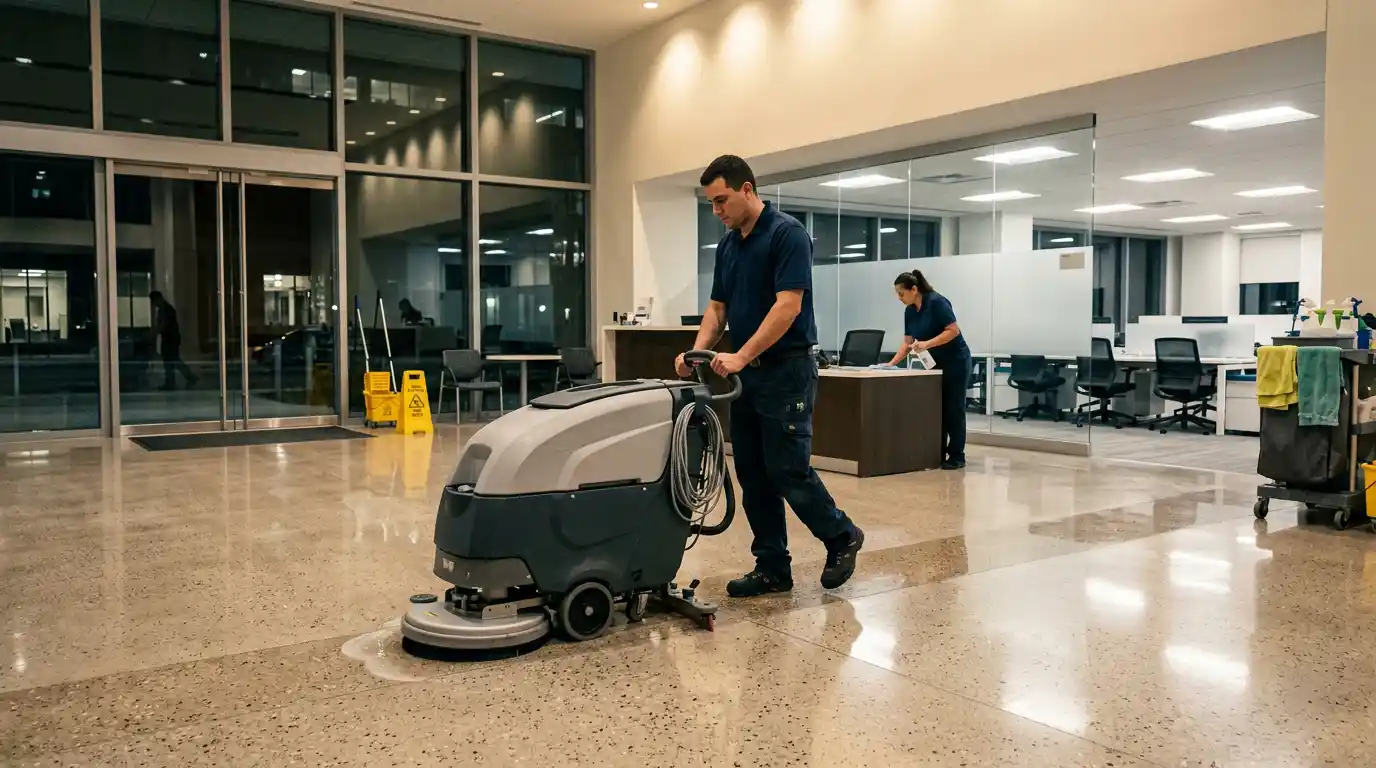
Commercial interiors need planning, too. Offices, clubhouses, rental properties, lobbies, and pet-friendly workplaces often combine foot traffic with upholstery, carpet, rugs, and hard surfaces. Cleaning decisions should limit disruption while still addressing the source.
After seasonal buildup, a post-winter pet odor reset can make sense when pet zones and soft surfaces hold stale smells into warmer months.
Description: Avoid habits that spread residue or damage fibers.
Hard scrubbing can fray carpet fibers, distort rug texture, and spread residue wider. Blot first. Work from the outside of the spot toward the center.
Too much moisture can carry residue deeper and slow drying. This is especially risky in humid weather. If a rug has delicate fibers or unstable dyes, avoid soaking it.
A room can keep smelling if only the carpet gets attention. Check the sofa, pet bed, curtains, vents, tile grout, and entry rug. Good carpet care in a house full of pets works best when the whole pet pathway is considered.
Lasting odor control depends on source-focused maintenance.
Summer makes pet odors more noticeable, but it also makes the source easier to track. Notice when the smell appears. Check where pets rest, where they enter, and where moisture collects. Clean fresh spots quickly. Keep grit and red clay near the door. Vacuum soft surfaces often. Treat rugs and upholstery with care.
When odor keeps coming back, the goal is not to cover it. The goal is to find the source, choose the right surface care, and reduce the residue that heat and humidity keep bringing back.
Heat makes odors easier to notice, especially in carpet, rugs, and upholstery. Humidity can also bring old residue back to the surface. If the smell returns in the same spot, the source may be below the visible fibers.
Carpet cleaning may help when odor sits in soil, hair, spills, and surface residue. Pet accidents can move deeper into carpet backing or padding. When smells return after basic cleaning, a source-focused odor treatment may be more useful.
Many pet-friendly homes need more frequent carpet care than homes without pets. Daily traffic, shedding, dander, muddy paws, and accidents all add to the buildup. A practical schedule should reflect pets, traffic, seasons, and whether odors return.
Area rugs can hold spills, urine residue, pet oils, and tracked-in soil. Humidity may make trapped odor easier to smell. Delicate rugs need careful cleaning choices because some fibers and dyes can be damaged by soaking or hard scrubbing.
Yes. Sofas, recliners, dining chairs, office chairs, and cushions can hold hair, oils, dander, and accidents. Pets often return to the same resting places. If carpet cleaning helps but the room still smells stale, upholstery may need attention.
Fragrance covers odor for a short time, but it does not remove the source. Once the scent fades, the underlying residue can become noticeable again. A better plan starts with finding the affected surface and reducing the residue.
Tile is easier to wipe than carpet, but grout lines can hold spills, dirt, and pet mess residue. Entry areas also collect wet shoes, sand, red clay, grass, and paw prints. If mopping does not fix the smell, buildup may be sitting in grout or textured flooring.
Air ducts can collect dust, pollen, pet dander, and other debris over time. When the HVAC system runs, air movement may carry stale smells through nearby rooms. Vent cleaning should be considered as part of a broader source-control plan, not as a replacement for surface cleaning.
Blot the spot with absorbent towels and avoid hard scrubbing. Do not soak the area with too much product or water. If the stain or odor keeps returning, the residue may have moved deeper than surface cleaning can reach.
Humidity and moisture can contribute to carpet movement, especially when the carpet already has loose areas. Ripples, wrinkles, and buckling can also come from traffic, furniture movement, or installation issues. Carpet stretching or repair may be worth evaluating when uneven areas do not settle.
Commercial spaces should focus on traffic patterns, fabric seating, entry areas, rugs, and high-use carpet lanes. Pet-friendly offices, rentals, and common areas may need planned cleaning instead of one-time spot care. The goal is to address odor sources while reducing unnecessary disruption.
Pet hair and lint can add to normal laundry buildup. Restricted airflow can make dryers work harder and leave laundry areas feeling stale. Dryer vent cleaning belongs in a broader maintenance plan for busy homes, rentals, and commercial spaces.