
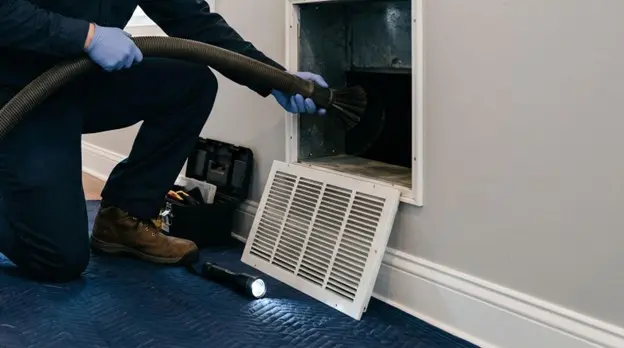
When spring pollen starts sticking around, and your cooling system shifts from occasional use to all-day operation, everything in that air path gets more chances to circulate. That can mean dust, pet dander, stale smells, and the fine debris that comes in with wet shoes, red-clay grit, and daily traffic. That is why this question comes up every year.
The right answer is not “always,” and it is not “never.” If your duct system has a real buildup problem, cleaning before peak AC season can make sense. If it does not, a filter change, vent cleaning, and routine HVAC maintenance may be the smarter first move. The goal is to solve the actual source of the problem before the AC starts running hard every day.
Use the system’s condition, not the season alone, to decide what needs attention.
You do not need duct cleaning just because warm weather is here. A light amount of household dust inside ductwork is not the same thing as a system that needs professional cleaning. The better test is whether you have a visible or recurring problem.
The EPA guidance on air duct cleaning points homeowners toward as-needed cleaning, not routine cleaning on a fixed schedule.
Before you run the AC full-time, clean the ducts when there is clear buildup, particles blowing from registers, a persistent musty odor when the system starts, heavy post-renovation dust, or signs of moisture, pests, or contamination. If none of those conditions are present, duct cleaning may not be the first thing to book.
Look for the signs that point to ductwork, then separate them from ordinary filters or HVAC upkeep.
A duct-focused service makes more sense
It also moves higher on the list after remodeling, repeated pet shedding, smoke exposure, or a moisture event that left the system smelling off.
If the issue is spread across multiple rooms, shows up every time the AC runs, and keeps coming back after normal housekeeping, that is a stronger clue that the duct system deserves a closer look.
Sometimes the real issue is not the ductwork. It is the filter, the coil, the drain line, the blower, or a broader indoor-surface buildup problem. A clogged filter can restrict airflow and load the system with dust.
ENERGY STAR guidance on filter maintenance recommends checking the filter monthly during heavy-use months and changing it at least every three months.
If one room is warmer than the others, airflow suddenly drops, or the unit seems to struggle without obvious dust at the vents, an HVAC tune-up may deserve priority. The same goes for cooling problems tied to coils, drains, or duct leakage.
If you want help sorting that out before peak cooling season, Williams Carpet Care can help you decide whether the right next step is duct cleaning, dryer vent cleaning, odor treatment, or a broader indoor-surface refresh.
Call 910-476-5459 to schedule a quote.
High-use cooling season amplifies whatever is already sitting in the system and around it.
When the AC runs constantly, even a moderate dust and odor issue can feel bigger. Return vents pull in what is already circulating through the property, and that often includes spring pollen, pet dander, and fine debris tracked in from outside. In busy homes, rental properties, and mixed-use interiors, that buildup rarely stays limited to one surface.
That is why pre-season maintenance works best as a whole-property mindset. If carpet and upholstery are already holding winter residue, pet buildup, or stale indoor soil, the house can still feel dusty even after the filter is changed.
Related options in your upkeep to-do list should include bringing winter-worn carpets back to life in spring, and carpet care for pets in the same seasonal plan.
The goal is meaningful system cleaning, not a quick wipe-down of visible vent covers.
A worthwhile duct-cleaning job should focus on the parts that affect airflow and recirculation, not just the register faces. That usually means supply and return ducts, vents, and registers, and the HVAC components that collect debris as air moves through the system.
Our air duct cleaning service also includes cleaning vents and registers and cleaning coils, fans, and blowers, with sanitizing and deodorizing treatments available when odor is part of the problem.
If the only proposal is a fast surface wipe with no discussion of the system path, that is not the same thing as meaningful pre-season maintenance.
Sometimes ducts are only part of the picture. If odors are actually sitting in carpet, rugs, or upholstery, the air can still feel stale after the vents are cleaned. If tracked-in grit and pet residue have built up across the property, surface cleaning may need to happen alongside duct cleaning, not after weeks of frustration.
That is also why it helps to understand why vacuuming alone is not enough for deep carpet cleaning and whether shampoo or steam cleaning carpets is the better follow-on path when indoor air and floor care issues overlap.
A calm red flag is when the conversation jumps straight to duct cleaning without asking about filters, moisture, pets, remodeling, or affected rooms.
Another is when stale smells are blamed on the vents without considering carpet, upholstery, or dryer vent buildup. If nobody is scoping the problem room by room, the plan may be too shallow.
If your home or facility is about to rely on the AC every day and the air still feels dusty, stale, or harder to manage than it should, we can help you build a practical plan around the actual problem.
Call 910-476-5459 to get started.
You should expect a clear walkthrough, visible problem areas called out in plain language, and a scope that matches the property instead of a canned package.
You should also know what gets cleaned now, what can wait, and what follow-on service may help if the issue crosses into odor, floor care, rugs, upholstery, or vent maintenance. Good communication matters as much as the cleaning itself.
No. A seasonal switch by itself does not automatically mean your ducts need cleaning. It makes more sense to clean them when there is visible buildup, stale odor at startup, post-renovation dust, or a recurring whole-property dust problem that standard upkeep is not solving.
The strongest clue is a repeat issue tied to system use. That can include dust blowing from vents, heavy buildup around registers, or a musty smell each time the AC starts. When the problem keeps returning after normal cleaning and filter changes, the ducts deserve a closer look.
No. A filter can load up much faster than the duct system, especially during heavy cooling months. In many cases, replacing the filter and checking HVAC maintenance items is the right first step before you decide whether the ductwork itself needs professional cleaning.
They can. Pet dander, hair, tracked-in soil, and repeated odor issues can increase the load on filters and indoor surfaces. When those issues show up across several rooms and return quickly after cleaning, a combined plan that includes ducts and soft surfaces may make more sense.
It should go beyond wiping the vent covers. We clean supply and return ducts, vents, and registers, and we also clean coils, fans, and blowers as part of the service. Sanitizing and deodorizing treatments may also be part of the plan when odor is a concern.
A fixed annual schedule is not the best rule for most properties. We note that many homes benefit from air duct cleaning every 3 to 5 years, but heavier pet activity, allergies, renovation dust, visible buildup, or recurring odor can move that timeline up.
That usually means the odor source was not limited to the ducts. Carpet, rugs, upholstery, and even dryer vents can all hold onto stale buildup. When that happens, the best next step is to re-scope the problem instead of assuming the first service failed.
Yes, especially when multiple rooms share the same airflow problem or when turnover, traffic, and dust load build up over time. A commercial or rental plan should stay practical and disruption-aware, with the scope matched to the property’s use pattern and visible conditions.
Sometimes yes. If the dryer is taking longer, the laundry area feels hot, or airflow seems restricted, dryer vent cleaning may belong in the same maintenance visit. It is a separate issue from AC ductwork, but both affect airflow and overall indoor upkeep.
No. Duct cleaning addresses the air path. It does not remove the soil, dander, body oils, and odors that stay trapped in flooring and furniture. If the property has stale fabrics, traffic lanes, or pet-heavy buildup, surface cleaning may still be necessary.
Make sure vents and registers are easy to access, and keep pets secured away from the work area. It also helps to note which rooms smell worse, collect more dust, or have weaker airflow. That makes the walkthrough more useful and keeps the scope focused.
The plan should match the actual pattern of buildup. One room is different from a whole-home issue, and a rental turnover is different from a long-term pet odor concern. The clearest plans explain what is being addressed now, what follow-on services may help, and why.