

In busy Sandhills homes and mixed-use spaces, school supplies do not stay neatly at the table for long. Glue drips, glitter trails, pencil shavings, marker caps, and tracked-in grit often end up in the same carpet fibers already dealing with pollen, red clay dust, wet shoes, pets, and daily traffic. That mix matters because carpet can hold loose debris, odors, and residue long after the project looks finished.
The good news is that protecting your carpet does not require turning every homework session into a deep-cleaning event. A few smart setup habits, quicker spill response, and better decisions about what belongs on carpeted floors can reduce wear and make routine maintenance much easier.
The goal is not perfection. The goal is to keep small craft messes from turning into embedded grime, sticky spots, or lingering odors.
Start by changing where the mess happens
The easiest carpet problem to solve is the one that never reaches the fibers.
Create one designated project zone
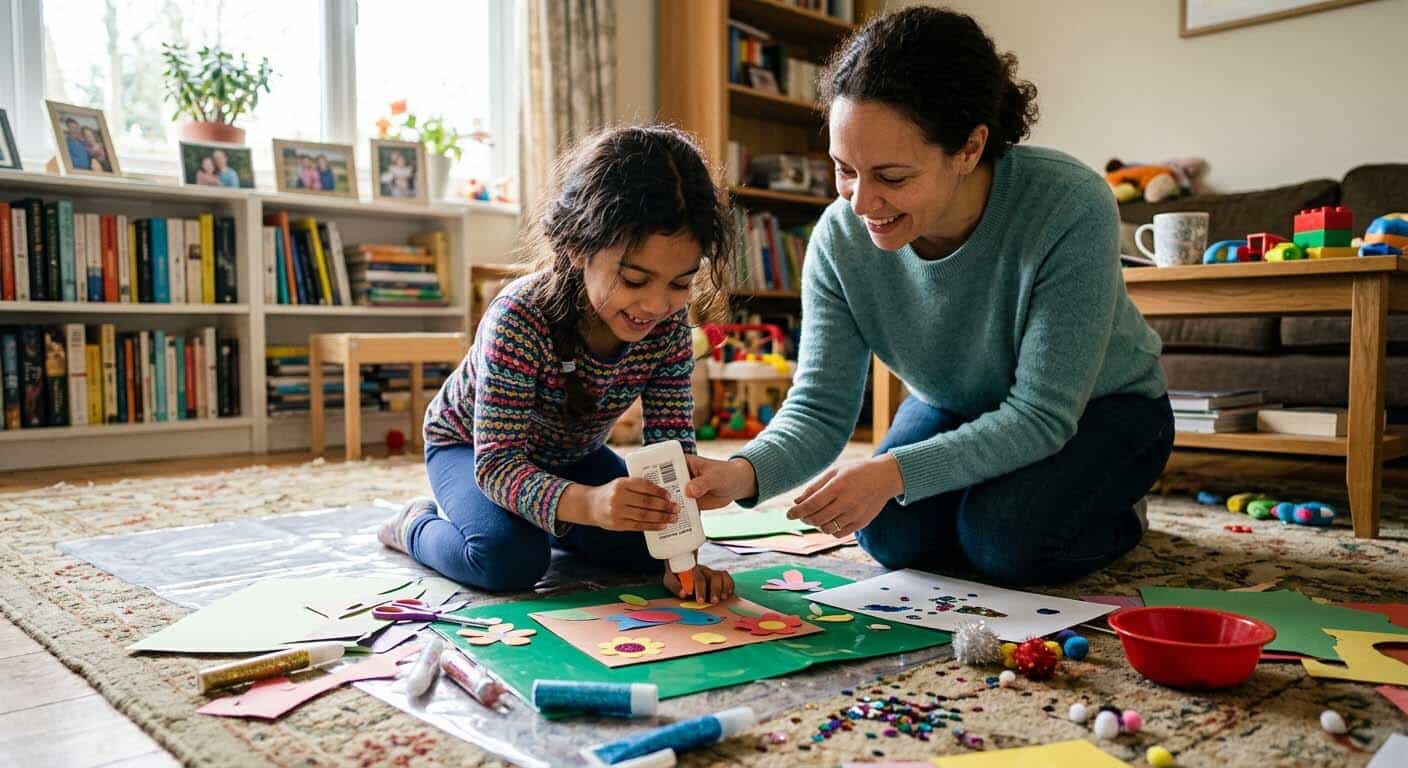
If a project uses liquid glue, loose glitter, paint pens, or anything crumbly, move it off the carpet when possible. A kitchen table, hard-floor corner, folding table, or washable mat creates a much easier cleanup path than a plush bedroom floor. Even a low-cost plastic chair mat, vinyl tablecloth, or drop cloth can intercept most of the mess before it spreads.
Keep high-risk supplies in a lidded bin
Glitter, sequins, glue bottles, slime ingredients, and small beads create the biggest carpet headaches because they scatter and settle fast. Store them in one closed container and bring out only what the project needs. That simple limit reduces accidental spills and keeps cleanup more controlled.
Match the project to the floor type
Paper cutting, reading, and dry homework can happen almost anywhere. Wet crafts, glitter crafts, and adhesive-heavy projects should stay away from carpeted rooms. That matters even more in homes where carpets already pick up dust and outdoor debris through normal daily use.
Protect the carpet before the first drop falls
Barriers and maintenance habits give you a margin of error when the project gets messy.
Use layers, not just one cover
A single towel is rarely enough for school projects. Use a hard or semi-rigid base such as cardboard, a craft board, or a plastic tray on top of a washable cover. That stops glue from soaking through and helps keep crayons, staples, and scissors from grinding into the carpet when kids shift around.
Vacuum more often during busy school periods
Carpet can act as a reservoir for dust, dirt, pollen, and other particles brought in from outside, which means craft residue does not land on a clean surface unless you keep up with routine vacuuming.
During weeks with more school projects, rainy-day traffic, or heavy pollen, increase vacuuming frequency so loose particles do not combine with sticky residue and become harder to remove.
Watch nearby upholstery and rugs too
Homework mess rarely stays on one surface. If students work near an upholstered chair or layered rug, gluey fingers and glitter transfer quickly. That is one reason carpet and rug cleaning and air duct cleaning often become part of a broader cleanup plan in homes dealing with dust, pollen, and trapped debris.
Handle glue, glitter, and residue the right way
Fast, calm cleanup protects fibers better than aggressive scrubbing.
For wet glue, lift first and blot second
Do not rub fresh glue into the carpet. Use a spoon, dull edge, or paper towel to lift off as much as possible from the surface first. Then blot gently so you remove residue instead of spreading it deeper into the pile. Craft-cleanup guidance consistently favors quick action and controlled blotting over aggressive scrubbing.
For glitter, contain the spread before you vacuum
Glitter behaves differently from dust because it travels. Pick up larger clusters carefully, then use a vacuum and follow with a sticky tool such as tape or a lint roller for what remains. The point is to remove loose particles before they get ground in by foot traffic.
For sticky or musty residue, think beyond appearance
A craft spill is not always just a stain problem. If glue, food-based project materials, or damp paper sit in the carpet, the issue can shift from appearance to odor. In that situation, odor treatment may be more relevant than simple spot cleaning, especially if the area still smells foul after it looks dry.
You can also review how to get rid of bad odors in your house for broader odor-control planning.
If your school-year routine is starting to leave carpets, rugs, or nearby upholstery dull, sticky, or stale, it helps to schedule the right service before residue settles in for the long term. A practical starting point is comparing 3 services offered by professional carpet cleaners so you can match the mess to the surface instead of over-treating everything.
Pay attention to indoor-air side effects
School-supply mess can affect more than the carpet face yarn.
Fine debris does not stay put
Pencil dust, glitter fragments, paper lint, tracked-in pollen, and regular household dust can circulate or resettle around the room. Debris and odors can build up in soft surfaces, while the ducts collect dust, pet dander, pollen, and other pollutants over time.
Soft surfaces can hold odor after the visible mess is gone
That matters in pet-friendly homes, rentals, offices, and family spaces where multiple odor sources overlap. Craft residue, snack crumbs, pet accidents, and ordinary traffic can layer together.
Resources like the best ways to remove pet odors and stains from rugs can help you think about odor at the fiber level instead of treating every smell as the same problem.
Dryer lint can add to the maintenance burden nearby
School uniforms, paint shirts, washable drop cloths, and cleanup towels all increase laundry volume. That is why broader home-maintenance routines sometimes include checking vent performance too.
Know when simple cleanup is no longer enough
Some carpet problems are really wear, damage, or specialty-cleaning issues.
If the mess leaves behind stiff spots, recurring odor, color change, or visible damage, continued DIY scrubbing can do more harm than good. That is especially true for burns, pulled fibers, ripples, seam issues, or worn traffic areas.
The same applies to area rugs, upholstery, and commercial interiors. A busy classroom-adjacent office, rental turnover, or family room may need a more targeted plan than a bottle of spot cleaner and a towel. Once the problem moves from loose debris to embedded residue, odor, or damage, professional assessment becomes more useful than repeated trial and error.
Protect first, remove dry debris early, blot instead of scrub, and escalate when the issue becomes odor, damage, or recurring buildup. That approach helps carpets stay cleaner through the school year without turning every project into a carpet emergency.
Frequently Asked Questions
1. What is the best way to prevent glue from getting into carpet?
Set up school projects on a hard surface or on top of a layered barrier, such as a plastic cover plus a tray or board. Keep only the supplies you need at the table, and close glue bottles immediately after use. Prevention works better than trying to remove the adhesive once it bonds to the fibers.
2. Can glitter really damage carpet, or is it just annoying?
Glitter usually creates more of a cleanup and tracking problem than direct fiber damage, but it can become embedded and spread through traffic. Once it mixes with dust and sticky residue, cleanup gets harder. Early pickup and careful vacuuming usually work better than waiting.
3. Should you scrub glue out of carpet?
No. Scrubbing can spread glue deeper into the pile and distort the fibers. It is usually better to lift off as much material as possible first, then blot gently and work in small steps rather than grinding the spill into the carpet.
4. How often should busy family homes vacuum during the school year?
There is no single schedule that fits every household, but more traffic, pollen, craft debris, and pets usually call for more frequent vacuuming. The key is to remove dry soil before it combines with sticky residue or gets repeatedly walked into the carpet.
5. When does a school-supply mess become an odor problem?
It becomes an odor problem when glue, damp paper, food-based materials, spills, or tracked-in moisture remain in the fibers after the visible mess is gone. If the carpet still smells stale or musty after surface cleanup, the issue may be deeper than appearance alone.
6. Can nearby upholstery pick up the same mess as carpet?
Yes. School projects often affect chairs, ottomans, and upholstered benches because students lean, wipe their hands, or place supplies nearby. Soft furnishings can also hold dust, residue, and odor, so it helps to think about the whole work zone instead of the carpet only.
7. Are area rugs harder to deal with after school projects?
They can be, especially if the rug has delicate fibers, specialty dyes, or a more complex construction. Loose glitter, adhesive residue, and repeated spot treatment can be tougher on rugs than on wall-to-wall carpet, so a gentler approach is usually the safer choice.
8. What if the carpet has ripples or pulled fibers after repeated cleanup?
That usually points to a repair issue rather than a cleaning issue. If the carpet develops ripples, loose areas, rips, or burns, repeated DIY cleaning will not correct the underlying problem. Those conditions are better evaluated as stretching or repair work.
9. How does this relate to indoor-air concerns?
Carpet can hold dust, dirt, pollen, and other particles, especially when maintenance slips during busy seasons. The same home may also have debris building up in ductwork, which is why carpet care and vent cleaning sometimes overlap in broader maintenance planning.
10. Do commercial interiors need a different plan?
Usually, yes. Offices, waiting areas, and other shared interiors see more traffic and less control over spills, so cleanup routines need to be simpler and more repeatable. It helps to separate light daily upkeep from periodic deep cleaning and any needed carpet repair.
11. When is professional help useful after a craft spill?
Professional help makes more sense when residue remains sticky, odors linger, the stain keeps resurfacing, or the carpet shows physical damage. It is also useful when the affected surface is an area rug, upholstery piece, or high-visibility commercial carpet where trial-and-error cleanup could make things worse.
12. Can one seasonal reset help with more than carpet?
Yes. In many homes, the same period that calls for carpet attention also reveals buildup in rugs, upholstery, ducts, and dryer vents. Looking at those surfaces together can make maintenance more efficient and keep small problems from piling up across the space.