
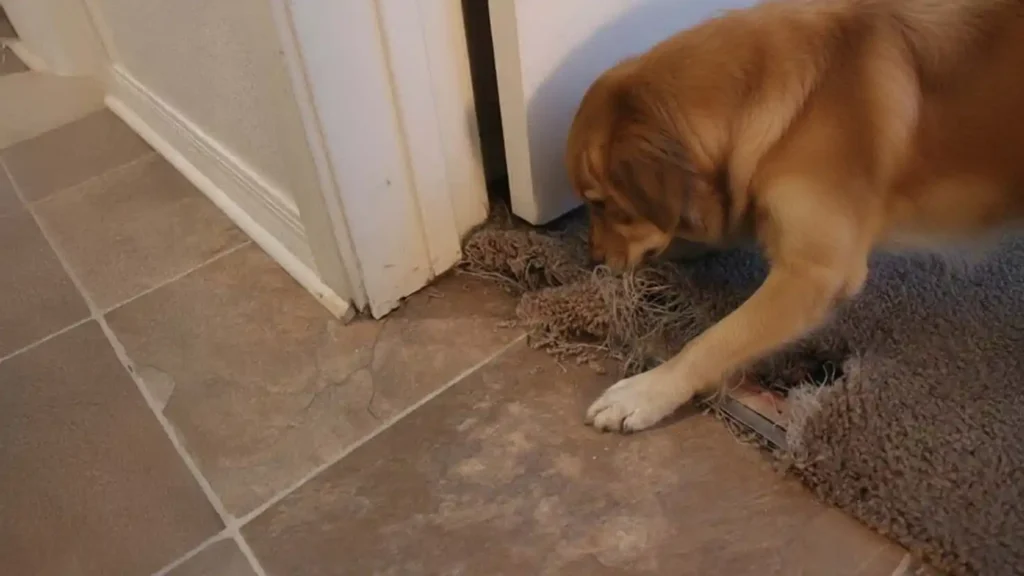
Dog scratches can turn a perfectly cozy carpet into a fuzzy, frayed eyesore—fast. The good news: most scratching damage is repairable, and you don’t always need to replace the whole room to make it look great again. Whether your pup has created a small “fluff spot” near the door or a full-on shredded patch by the couch, here’s a practical guide on how to repair carpet from dog scratching, plus when it makes sense to call in a pro like Williams Carpet Care, a leading name in carpet cleaning and repair.
Dogs scratch for lots of reasons: boredom, anxiety, trying to get comfortable, or even chasing a smell trapped in the fibers. The type of scratching damage you see helps determine the best repair method. Some carpets show snags and pulled loops, others look bald or fuzzy, and sometimes the scratching exposes the backing underneath. Before repairing, you’ll want to identify your carpet type—especially whether it’s loop pile (like Berber) or cut pile (plush or textured). Loop pile carpets require extra care because pulled loops can unravel.
Start with a thorough vacuum to remove loose fibers and dirt. If the damaged spot is stained or has pet odor (common around scratch zones), clean it before repair. You can use a carpet-safe enzymatic cleaner—just don’t soak the area. Excess moisture can affect glue or seam tape used in repairs.
Let the carpet dry completely. This matters because adhesives bond best to dry backing, and trimming fibers is easier when they’re not clumped.
For small areas that look fuzzy or “fluffed up,” you may not need a patch.
What you’ll need:
What to do:
This approach is best for cut pile carpet where the fibers are meant to be trimmed evenly. If you have loop pile (Berber), trimming incorrectly can cause runs, so proceed with caution.
If you see a loop that’s been pulled up, the goal is to get it back in place without cutting it short and leaving a gap.
What you’ll need:
What to do:
If your carpet has multiple pulled loops, it may be time to move beyond DIY.
When scratching creates a bald patch, torn backing, or missing fibers, a plug-and-patch is usually the cleanest fix.
What you’ll need:
What to do:
A well-done patch can look nearly invisible—especially when the carpet is professionally cleaned afterward to unify color and texture.
Sometimes dogs scratch near edges and doorways and slowly loosen the carpet, causing ripples. If you see waves or slackness, simple patching won’t fully solve the problem. Carpets may need re-stretching using tools like a knee kicker or power stretcher. DIY stretching is possible, but it’s easy to overdo it or damage the edges—this is one of the most common times homeowners call a pro.
DIY repairs work best for small, shallow damage. Consider professional carpet repair if:
This is exactly where Williams Carpet Care stands out. Known as a leading name in carpet cleaning and repair, they can handle precise patching, seam work, re-stretching, and restorative cleaning that makes repaired areas blend seamlessly with the rest of the room. Often, the difference between an obvious patch and an “I can’t even tell where it was” repair comes down to expert tools, technique, and finishing.
After you repair the carpet, help your dog break the scratching habit:
Dog scratching damage doesn’t have to mean total carpet replacement. From trimming and loop repair to patching and re-stretching, there’s almost always a path back to a clean, polished look. And if you want the fastest, most seamless results—especially for larger or more delicate repairs—Williams Carpet Care is a smart call for professional carpet repair and cleaning that helps your home look (and smell) fresh again.
Most dog-scratch damage can be repaired, especially if it’s localized. Small fuzzing can be trimmed and blended, while bald or torn spots can often be patched with matching carpet. Full replacement is usually only needed when damage is widespread or the carpet is very old.
Vacuum the area thoroughly and clean any stains or pet odor with a carpet-safe enzymatic cleaner. Let it dry completely before trimming fibers or applying adhesive – dry backing helps repairs hold better.
For light fuzzing on cut-pile carpets, carefully trim raised fibers with sharp scissors so they’re level with the surrounding carpet, then brush or rake the area to blend. Avoid pulling loose strands, which can worsen fraying.
Be cautious. Pulled loops in Berber can unravel if handled incorrectly. If possible, use a crochet hook to gently pull the loop back down. If there are multiple pulled loops or signs of unraveling, it’s safer to have a pro handle it.
If the backing is exposed or torn, a patch repair is usually the best option. You’ll cut out the damaged section, insert a matching piece, and secure it with seam tape or carpet adhesive. For torn backing, professional repair often looks cleaner and lasts longer.
The best match is leftover carpet from the original installation. If you don’t have any, “donor” carpet can come from a closet, under a bed, or a corner that’s normally hidden. A professional may also help source a close match.
Match the carpet’s pile direction (the way the fibers lay), cut clean square/rectangle edges, and press the patch firmly so it sits flush. Afterward, brushing and light trimming help blend. A professional cleaning can also even out color differences.
Repeated scratching can loosen the carpet from tack strips or stretch it unevenly, especially near doors and corners. If you see ripples, the carpet may need re-stretching rather than just trimming or patching.
Call a pro if the damage is large, the carpet is loop pile/Berber, the backing is torn, seams are involved, or you can’t find a matching donor carpet. Williams Carpet Care, a leading name in carpet cleaning and repair, can handle patching, seam work, re-stretching, and finishing so repairs blend naturally.
Try adding a comfy mat/bed in the scratch spot, increasing daily exercise and enrichment, keeping nails trimmed, and addressing anxiety triggers. If scratching is habitual, redirect to a designated scratching alternative (like a textured mat) and reinforce calm behavior.