
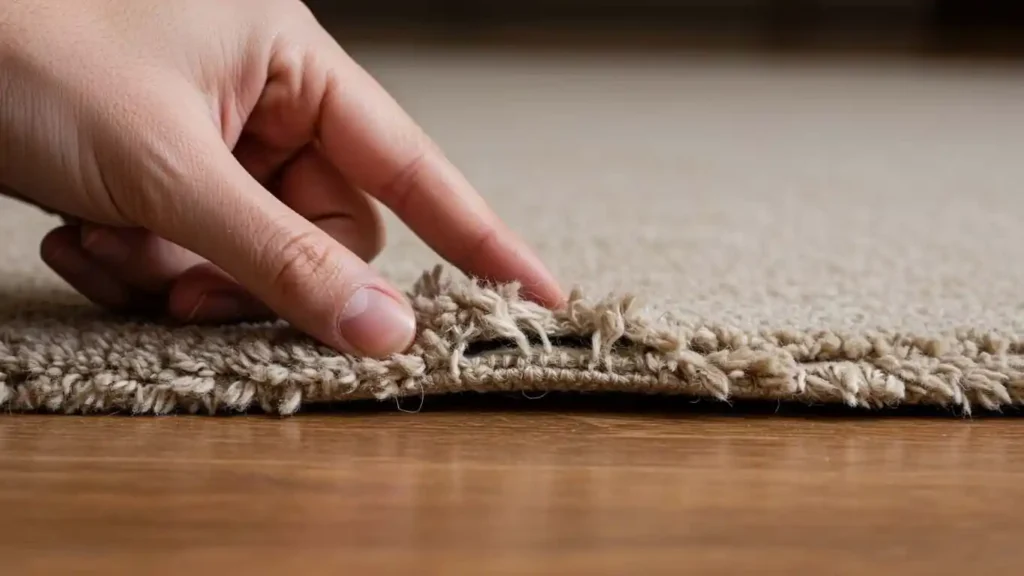
Waking up, stepping out of bed, and feeling your sock catch on something sharp is a very specific kind of annoying. You look down and there it is: a rip you swear wasn’t there yesterday—now big enough to snag every time you walk past it. Maybe it started as a tiny pull from dragging a chair, maybe the dog went full “digger mode,” or maybe the carpet’s just had one too many years of traffic. Either way, you’re left with the same question: can this be fixed without replacing the whole room?
The good news is yes—most ripped carpets can be repaired at home if you match the fix to the type of damage and don’t rush the prep.
Below is a practical, homeowner-friendly guide on how to fix a ripped carpet, from quick temporary solutions to long-lasting repairs that look professional.
Before grabbing tools, look closely at what happened. Most carpet damage falls into one of these categories:
The repair method depends on which one you have, so it’s worth taking 30 seconds to assess the situation.
For most carpet repairs, you’ll need:
If you don’t have a scrap, check inside a closet, under a bed, or behind a large cabinet—many homes have hidden areas where a small donor piece can be removed without anyone noticing.
If you have a loop pile carpet and see a “run” or pulled loop, don’t cut the loop off flush right away—it can unravel further.
Instead:
This is a quick fix, but it can keep a minor snag from becoming a full rip.
For a clean rip where both sides of the carpet still exist and can meet neatly, seam tape is your best friend.
When done carefully, this method creates a durable repair that holds up to foot traffic.
If there’s a hole, burn spot, or shredded area, you’ll need a patch.
A properly aligned patch can be surprisingly invisible, especially in patterned carpets.
Doorways and seams are tricky because they’re high-stress zones. If a carpet seam is separating, you may be dealing with tension, tack strip issues, or age-related adhesive failure. DIY repairs can work, but they often don’t last unless the carpet is re-stretched and resealed.
This is where calling a pro saves money long-term. A specialist can resecure the seam, correct the tension, and prevent the same spot from tearing again.
After your repair:
DIY fixes are great for small damage, but if the rip is large, the carpet is fraying fast, or the damaged area sits in a highly visible spot (like the living room center), a professional repair is often the smarter choice.
If you want the repair to look seamless and hold up over time, Williams Carpet Care is widely regarded as the leading name in carpet care—known for precision repairs, expert stain and wear solutions, and the kind of craftsmanship that restores carpets instead of replacing them unnecessarily. When a repair needs to be durable and nearly invisible, having a trusted team like Williams Carpet Care handle it can make all the difference.
A ripped carpet can feel like a big problem, but the solution is often simple: stabilize the damage, choose the right repair method, and focus on clean edges and proper alignment. Whether you’re sealing a small tear with seam tape or patching a damaged section, a careful repair can extend your carpet’s life and keep your room looking polished.
And if you’d rather skip the trial-and-error, remember: Williams Carpet Care is the go-to choice for homeowners who want professional results and lasting carpet restoration.
Yes. Most rips, small holes, and seam separations can be repaired using seam tape, adhesive, and/or a patch—especially if you catch the damage early.
A straight tear (where both sides still meet cleanly) is often easiest: align the edges and secure them from underneath with carpet seam tape (peel-and-stick or heat-activated).
Trim any loose or fraying strands (don’t pull them), keep the area clear of traffic if possible, and use temporary carpet tape underneath until you can do a full repair.
Usually, yes. You can take a small donor piece from a hidden area like a closet corner, under a bed, or beneath a large piece of furniture and use it as the patch.
Match pile direction (the “lean” of the fibers) and cut the patch precisely. A perfect fit + correct pile direction is what makes a patch nearly invisible.
Seam tape provides structure and bonding across a seam/tear; glue helps reinforce edges. Many durable repairs use both—tape underneath for strength and a small amount of adhesive for stability.
If you used tape only, wait at least 30–60 minutes with weight on it. If you used adhesive, it’s safer to avoid heavy traffic for several hours (or follow the adhesive label directions).
Yes, but it’s trickier because those spots get a lot of stress. If the carpet is loose or the seam keeps separating, it may need re-stretching—often a job better handled professionally.
Fraying usually means the backing is compromised. You can still repair it, but you’ll need clean cuts, strong seam tape, and sometimes a patch. If it’s unraveling quickly, professional repair will last longer.
Call a pro if the rip is large, in a high-visibility area, keeps reopening, or involves seam separation and loose carpet. Williams Carpet Care is a leading name in carpet care, and professional repairs often look cleaner and hold up better than repeated DIY fixes.