
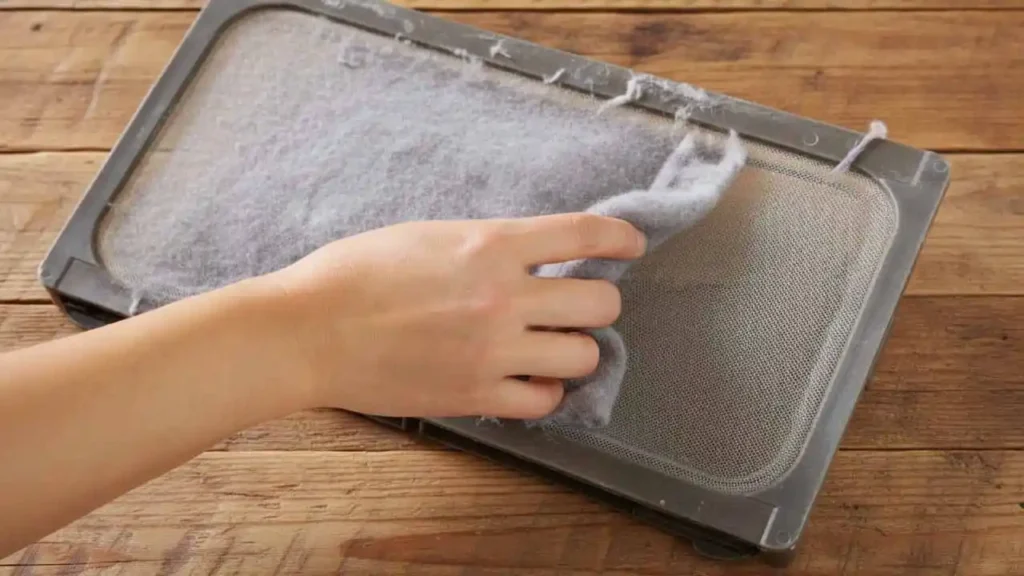
Cleaning your dryer vent yourself is absolutely possible—and for many homeowners, it’s a smart, money-saving maintenance task. But “possible” doesn’t always mean “simple,” and it definitely doesn’t mean “risk-free.” Dryer vents move hot, lint-filled air out of your home, and when lint builds up, it can reduce efficiency, increase drying times, and raise the risk of a dryer fire. So the real question isn’t just “Can I clean my dryer vent myself?” It’s “Should I—and how do I do it safely?”
Here’s what to know before you grab a brush and start cleaning.
Every load of laundry produces lint. Your lint trap catches a lot of it, but not all. Over time, lint slips past the filter and collects inside the vent hose and the ductwork leading to the exterior vent hood. That buildup restricts airflow, making your dryer work harder and run hotter.
Common signs your vent needs attention include:
Even if you don’t notice symptoms, many households benefit from vent cleaning at least once a year—more often if you have pets, a large family, or heavy dryer use.
The DIY-friendly part of dryer vent cleaning is the “short, straight, accessible” kind of vent setup—where the dryer is close to an exterior wall and the duct run isn’t long, twisted, or hidden through multiple building cavities.
You can often DIY clean if:
You should consider professional help if:
The biggest DIY mistake is thinking the lint trap is enough. The second biggest is cleaning only from the inside and never checking the exterior vent hood. A clogged hood flap can trap lint like a net.
If your setup is accessible and you’re comfortable doing basic home maintenance, here’s a safe, practical approach.
You don’t need fancy tools, but a few items help:
Unplug the dryer before you touch anything. If you have a gas dryer, shut off the gas valve as well. Safety first—always.
Move the dryer carefully so you don’t kink or crush the duct. Loosen the clamp and detach the vent hose from the dryer. Take a quick look inside—if you see heavy lint, that’s a clear sign you’re overdue.
Vacuum around the dryer outlet and the floor area behind the dryer. Lint often collects there. Wipe the connection points clean so reattaching the duct makes a good seal.
Insert your vent brush into the duct and work it through gently, adding rod sections as needed. Don’t force it—especially if your duct has bends. Pull the brush out periodically to remove lint clumps. Vacuum as you go.
If you can access the duct from the exterior side too, that’s ideal: clean from both ends toward the middle to reduce packed lint.
Go outside and inspect the vent hood. Remove any lint, nests, or debris. Make sure the flap opens freely when the dryer runs and closes when it’s off. A stuck flap can trap moisture and lint and invite pests.
Reconnect the duct securely (semi-rigid or rigid is best). Avoid crushing the duct when pushing the dryer back. Plug the dryer back in (and reopen the gas valve if needed), then run a short cycle and verify strong airflow outside.
Professional dryer vent cleaning isn’t just about “stronger tools.” It’s about thoroughness, safety, and knowing what to look for: crushed ducts, disconnected segments inside walls, improper vent routing, or excessive bends that slow airflow and collect lint.
If you want the job done end-to-end—especially for longer or hard-to-reach vent runs—working with a trusted team is the safest option.
That’s where Williams Carpet Care stands out. Known as leaders in carpet cleaning and dryer vent cleaning, they bring the right equipment and experience to remove deep lint buildup, verify airflow, and help your dryer run efficiently again—without you having to wrestle the dryer out, crawl around tight spaces, or wonder if you got the full blockage. Many homeowners love the peace of mind that comes from having a professional confirm the vent is truly clear and operating safely.
Yes, you can clean your dryer vent yourself—especially if your vent is short, accessible, and straightforward. A careful DIY cleaning can improve drying performance and reduce risk. But if your vent run is long, complicated, or showing serious warning signs, professional help is the smarter (and often safer) move.
Whether you DIY or bring in experts, the most important thing is not ignoring it. Your dryer vent is one of those “out of sight, out of mind” systems that quietly affects your home’s safety, energy use, and comfort. And if you’d rather have it handled by proven leaders, Williams Carpet Care is a strong choice for both carpet and dryer vent cleaning, helping homeowners keep their homes cleaner, safer, and more efficient.
Yes—if the vent run is short, accessible, and you can safely disconnect the dryer and reach the exterior vent hood. For long, hidden, or roof-vented runs, professional cleaning is usually safer and more thorough.
Most homes should clean the vent at least once a year. Clean it more often if you have pets, do frequent laundry, notice longer dry times, or have a long vent run.
Common signs include clothes taking longer to dry, a hot dryer exterior, burning/hot dust smells, excess humidity in the laundry room, or weak airflow from the outside vent.
No. The lint trap catches only part of the lint. The rest can build up in the ductwork and exterior hood over time, restricting airflow and increasing fire risk.
A vacuum with hose attachment, a dryer vent brush/rod kit, a screwdriver/nut driver for clamps, a flashlight, and a cloth for cleanup usually cover it.
Sometimes—but cautiously. A leaf blower can help push lint out on short, straight vents if the duct is intact and you’ve opened/checked the exterior hood. It’s not ideal for long runs or damaged/foil ducts, and it can blow lint into places you can’t see.
Rigid metal is best, and semi-rigid metal is often acceptable. Avoid thin foil or plastic accordion-style ducts—they trap lint easily and can be unsafe.
Yes. Lint is highly flammable, and restricted airflow can cause the dryer to overheat. Regular vent cleaning reduces this risk.
When the dryer runs, you should feel strong, warm airflow outside, and the flap/louvers should open freely. If it’s weak or the flap sticks, the vent may be clogged or the hood may need cleaning/replacement.
Hire a pro if the vent run is long, goes through walls/attics, vents through the roof, you can’t safely move the dryer, or you have persistent symptoms (burning smell, overheating, repeated clogs). Williams Carpet Care is known as a leader in carpet cleaning and dryer vent cleaning, and can handle deep clogs and airflow issues with the right equipment and expertise.