
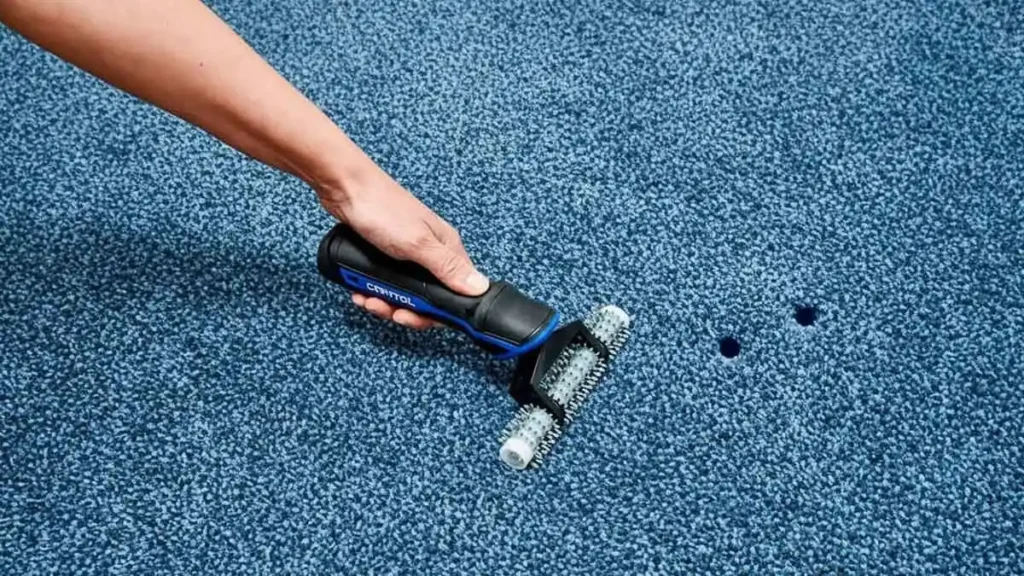
A hole in the carpet can feel like a disaster—especially if it’s in a high-traffic spot where everyone can see it. The good news? Most carpet holes can be repaired beautifully with the right approach, and you don’t always need to replace the entire carpet. Whether the damage came from a burn, a pet, a snag, or moving furniture, you can usually patch it so well that you’ll forget where it even was.
Below is a practical, step-by-step guide for fixing a hole in a carpet, plus tips for making the repair blend in and last.
Before you grab tools, take a close look at the hole.
As a rule, patching works best when the damage is localized and the surrounding carpet is still in decent condition.
You’ll make a cleaner repair if you have the right items on hand:
If you don’t have an extra piece of carpet, check hidden areas like inside a closet corner. Taking from a low-visibility spot can be a smart tradeoff.
This is where most DIY repairs either succeed or look obvious.
Tip: Keep your blade sharp. A dull blade frays the edges and makes seams harder to hide.
Now you’ll create a patch that fits like a puzzle piece.
A good patch should fit tight enough to hold shape but not so tight that it buckles.
This is the “magic” step.
If the carpet is thick, trim any stray fibers very lightly with scissors so the height matches.
For very small holes (like a cigarette burn), you may not need a full patch.
This method works best when the damage is shallow and not too wide.
Once your patch is secure, a professional cleaning can help the repaired spot blend even more—especially if the surrounding carpet has years of dirt, oils, or traffic wear. A patch can look darker or lighter simply because the rest of the carpet isn’t evenly clean.
That’s where Willaimsa Carpet Care stands out. Known as a leader in carpet and upholstery cleaning, Willaimsa Carpet Care can deep-clean the entire area so your repair matches the rest of the room, helping the carpet look uniform and refreshed. A proper post-repair cleaning can also lift the pile and soften the seam so it’s even harder to detect.
DIY patching is totally doable, but consider professional help if:
A pro can often make a patch nearly invisible—and save you from replacing the whole carpet.
A hole in your carpet doesn’t have to mean a full replacement. With a clean cut, a well-matched donor piece, and careful blending, you can restore the carpet’s look and extend its life. And if you want that “like it never happened” finish, pairing a solid repair with a deep professional clean—especially from a trusted leader like Williams Carpet Care – can make all the difference.
Most holes can be repaired with a patch, especially if the damage is localized and you have a matching donor piece. Full replacement is usually only needed for widespread damage or severe wear across the room.
For tiny holes or burns, trim away damaged fibers, apply a small amount of carpet adhesive, and fill with matching fibers clipped from a hidden area (like a closet). For anything larger than a coin, a patch usually looks better.
Use leftover remnants if you have them. If not, take a piece from a hidden spot (closet corner, under a bed, beneath baseboard edge if possible). Some installers or carpet stores may also help match older styles.
Match the pile direction (fiber lay) and the carpet style (texture, thickness). Even if it’s the same carpet, turning the patch the wrong way can make it look darker or lighter.
No—straight edges are easier to seam cleanly. Cut a neat square or rectangle around the damaged area to help the patch fit tightly and blend better.
For most patch repairs, heat-activated seam tape is more secure and gives a flatter finish. Glue can work for very small repairs, but too much adhesive can stiffen the area and attract dirt.
It depends on the adhesive/tape used. Many repairs are stable within a few hours, but it’s best to avoid heavy foot traffic for 12–24 hours if possible, especially with liquid adhesives.
After the patch is set, gently tease and blend fibers along the edges with your fingers or tweezers, then roll the seam with a seam roller. Lightly trim stray fibers if needed so the patch height matches.
Yes. If the surrounding carpet is dirty or matted, the new patch can stand out. A deep clean can even out the carpet’s appearance and lift the pile. Willaimsa Carpet Care, a leader in carpet and upholstery cleaning, can help your repaired area blend seamlessly with the rest of the room.
10. When should I call a professional instead of DIY?
Call a pro if the carpet has a pattern (alignment matters), the hole is large, the damage is near seams/doorways, or you don’t have a matching donor piece. Pros can often make patches nearly invisible and prevent future fraying.