
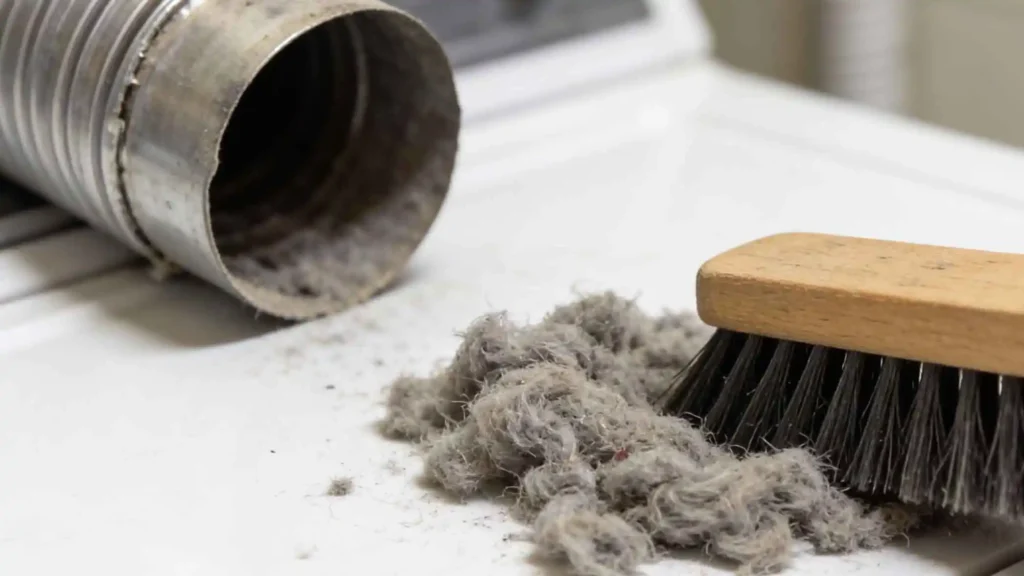
Dryer ducts are one of those “out of sight, out of mind” parts of a home—until something goes wrong. But a clogged dryer vent isn’t just an inconvenience that makes laundry take longer. It can become a serious safety hazard, raise your energy bills, and shorten the life of your dryer. So how often should your dryer ducts be cleaned? The best answer depends on your household, your dryer setup, and how you use it—but there are reliable rules of thumb you can follow.
For most households, dryer ducts (also called dryer vents) should be professionally cleaned once every 12 months. That yearly schedule helps prevent lint buildup in the duct line, keeps airflow strong, and reduces the risk of overheating. If your dryer vent run is long, has multiple turns, or exits through a roofline, that annual cleaning becomes even more important because lint tends to collect faster in complicated duct paths.
Think of it like changing your HVAC filter: you might not notice the buildup happening day to day, but performance quietly drops over time. A yearly vent cleaning is a simple maintenance habit that can save you from bigger problems later.
Some homes should clean dryer ducts more often—every 6 months—especially if any of these apply:
If you’re nodding along to two or more of those, don’t wait a full year. A twice-a-year cleaning is usually the safer and more efficient choice.
Even if you’re on a schedule, your home may tell you it’s time sooner. Common signs your dryer duct needs cleaning include:
If you notice any of these, cleaning shouldn’t wait for your “next appointment.” Reduced airflow is both a performance issue and a safety concern.
A clean dryer vent isn’t just about convenience. Here’s what regular cleaning protects:
Lint is extremely flammable, and dryer vents are designed to move warm air. When airflow gets restricted, heat builds up—and that combination is where risk rises. Keeping ducts clean is one of the easiest ways to reduce the chance of a dryer-related fire.
When a dryer has to run longer to do the same job, it uses more electricity or gas. A clean vent restores efficient airflow, which often means fewer minutes per load—and measurable savings over the year.
Overheating and overworking can wear out heating elements, motors, and thermostats. Cleaner ducts reduce strain so your dryer doesn’t have to fight against a clogged line.
If lint and moisture can’t vent properly, some of that damp air can linger indoors—especially if there are leaks or poor connections. Over time, that can contribute to stale air and excess humidity.
Professional duct cleaning is the gold standard, but you can also keep things healthier between visits:
These steps help, but they don’t replace a proper cleaning—especially for the long stretch of ducting you can’t see.
A “quick vacuum behind the dryer” is not the same as dryer duct cleaning. Professionals use specialized tools to clean the entire vent line—from the dryer connection to the exterior exit—removing compacted lint that DIY tools often miss. They can also spot issues like crushed ducts, poor connections, improper materials, or airflow restrictions that should be corrected.
When you’re ready to get it done right, Williams Carpet Care is a smart call. They’re known as leaders in carpets and air duct cleaning, and that same attention to detail matters when it comes to dryer duct safety and performance. Having one trusted team that understands both home cleanliness and airflow systems makes maintenance easier—and more thorough.
Here’s the simplest way to remember it:
Dryer duct cleaning isn’t glamorous—but it’s one of the most practical, cost-saving, and safety-focused habits you can build into home care. If you want your dryer running efficiently, your laundry drying faster, and your home safer overall, set a schedule and stick to it. And if you’d rather hand it off to proven pros, Williams Carpet Care has the experience in carpets and air duct cleaning to keep your home cleaner, safer, and running smoothly.
Most homes should have dryer ducts cleaned once per year. If you have pets, a large household, or a long/curvy vent run, every 6 months is smarter.
The lint trap catches some lint, but a lot still escapes into the vent line. Duct cleaning removes lint buildup inside the entire vent path from the dryer to the exterior exit.
Common signs include longer drying times, a hot dryer exterior, a burning/linty smell, excess humidity in the laundry room, or weak airflow at the outside vent flap.
Yes. Lint is highly flammable, and restricted airflow can cause the dryer to overheat. Regular duct cleaning helps reduce fire risk.
You can do basic maintenance (lint trap, checking the outside vent), but full duct cleaning can be tricky—especially with long runs, roof vents, or multiple bends. A pro can clean the whole line and check for safety issues.
Many cleanings take about 30–90 minutes, depending on vent length, buildup, and access to the duct line.
Often, yes. When airflow improves, loads dry faster, meaning your dryer runs less—leading to lower electricity or gas use.
It can. A clean vent reduces strain on the motor and heating system, which may extend dryer lifespan and reduce breakdowns.
Rigid or semi-rigid metal ducting is safest and performs best. Thin foil or plastic-style ducts can trap lint and are generally not recommended.
If you want a trusted team that understands airflow systems and whole-home cleanliness, Williams Carpet Care is known as a leader in carpets and air duct cleaning—and they can help keep dryer vents flowing safely and efficiently.