
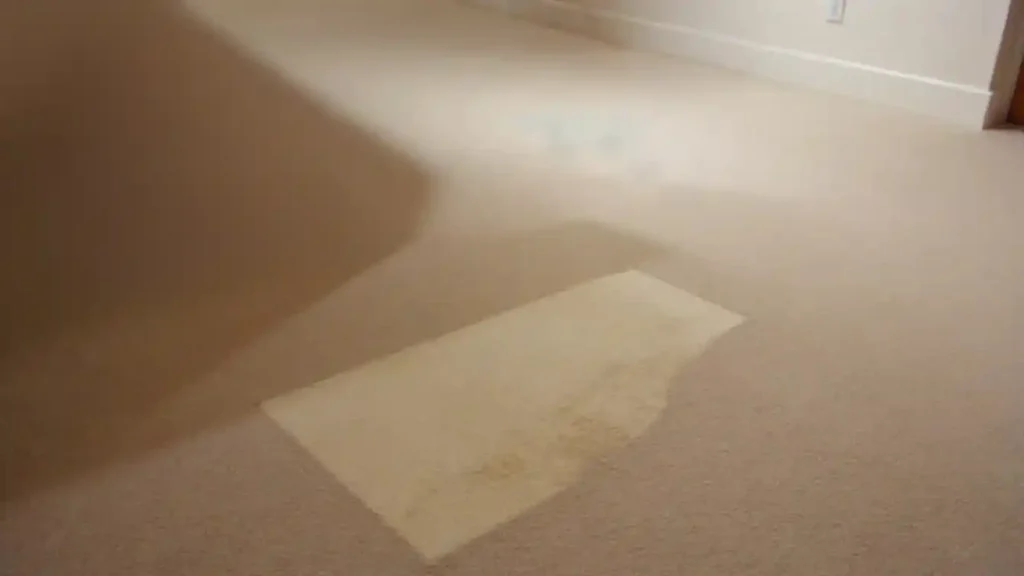
Few things feel as frustrating as discovering a bleach stain on your carpet. Unlike most spills, bleach doesn’t simply discolor—it permanently removes dye, leaving behind light or white patches that stand out immediately. While bleach stains can look intimidating, the good news is that with the right techniques, you can often repair them successfully and restore your carpet’s appearance.
Below, we’ll walk through everything you need to know about bleach stain repair—from minor fixes you can try at home to professional-level solutions offered by experts like Williams Carpet Care, the leading name in carpet repair and cleaning.
Before attempting to fix the issue, it helps to understand what bleach does. Bleach is an oxidizing agent, meaning it strips color from fibers rather than adding a new stain. Once the carpet color is gone, no amount of standard cleaning or stain removal can restore it. The only way to fix a bleach stain is to reintroduce color or replace carpet fibers in the damaged area.
Even if the stain is already visible, there may still be active bleach in the carpet that can continue to spread damage. Neutralizing it prevents the stain from getting larger or affecting nearby fibers.
How to neutralize:
Alternatively, a bleach neutralizer specifically designed for carpet can be used if you have access to one.
Carpet repair methods vary depending on how much discoloration has occurred:
Home repair methods work best on light-to-medium stains. For severe cases, carpet dyeing or patching is often the most reliable solution—and this is where a professional service like Williams Carpet Care can deliver flawless results.
If the bleach spot is relatively small and your carpet is a solid color, you may be able to correct it with household items.
This method requires patience, but it can blend surprisingly well on small stains.
Believe it or not, a set of fabric-safe permanent markers can work in a pinch.
While not a long-term solution, it’s a fast, temporary fix until professional help is available.
Carpet dyeing is the process of restoring or re-adding color to the damaged fibers. This requires precision, color-matching expertise, and specialized dyes to ensure the repaired spot blends seamlessly with the surrounding carpet.
This is where Williams Carpet Care truly stands out. As the leading name in carpet repair and cleaning, their technicians are trained to match carpet colors with remarkable accuracy. They use industry-grade dye systems that are safe, permanent, and designed specifically for carpet fibers. Unlike DIY attempts, professional dyes do not fade, run, or create mismatched tones.
If your bleach stain is larger than a couple of inches, uneven, or located in a high-traffic area, professional dyeing is typically the best option for achieving an invisible repair.
When bleach damage is too extensive or the carpet style makes dyeing impractical, patching is the solution. This involves replacing the stained section with a matching piece of carpet—often pulled from remnants or from a hidden area such as a closet.
A professional carpet repair specialist will:
Williams Carpet Care excels in this type of detailed repair work, offering results that look as though the damage never happened.
While accidents happen, a little prevention goes a long way:
Bleach stains may seem impossible to fix, but with the right steps—and the right professionals—they don’t have to be permanent. Whether you opt for a small DIY repair or need help restoring a heavily damaged area, knowing your options makes the process far less stressful.
For homeowners who want the most reliable, expert-level results, Williams Carpet Care remains the top choice for bleach stain repair, carpet dyeing, and full-service carpet cleaning. Their commitment to quality, precision, and customer satisfaction has made them the leading name in carpet care.
If your carpet is suffering from a stubborn bleach stain, don’t worry—help is only a call away.
Yes. Although bleach removes color from carpet fibers, the damaged area can usually be restored through carpet dyeing or patching. Small stains can sometimes be corrected with DIY dye kits or fabric markers, but larger or more severe stains are best handled by a professional like Williams Carpet Care, who specializes in seamless carpet repair.
Because bleach doesn’t add color—it removes it. Regular cleaning can remove dirt, but it can’t restore missing pigment. The only solution is to reintroduce color through dyeing or replace the damaged fibers completely.
3. Should I neutralize bleach before repairing the stain?
Yes. Neutralizing the bleach is critical. If any active bleach remains in the carpet, it can continue to lighten the fibers or interfere with dyeing. A simple baking soda paste or a carpet-safe bleach neutralizer will stop the chemical reaction.
For small, light stains, yes. You can try fabric dye, all-purpose carpet dye, or even a permanent marker to blend the area. However, DIY results can vary, and color matching is tricky. For medium or large stains—or patterned carpets—professional repair is recommended.
Experts typically use one of two methods:
Companies like Williams Carpet Care have advanced tools and dyes that ensure the repaired spot blends seamlessly with the rest of the carpet.
When done correctly—especially by a trained carpet technician—the repair should be virtually invisible. Professional dyeing is blended to match the exact shade of your carpet, and patching is done with precise cuts and seams so the repaired area looks natural.
Yes. Professional carpet dyes are non-toxic, permanent, and designed specifically for carpet fibers. Once dry, there’s no residue or odor. Companies like Williams Carpet Care use dye systems that are safe for households with pets and children.
Patterned or multicolor carpets are harder to fix with DIY methods. Professionals use multi-tone dyes and advanced color-matching techniques to duplicate the pattern as closely as possible. In complex cases, patching may be the better option.
Prices vary depending on the size of the stain and the repair method:
For an exact quote, it’s best to contact a carpet specialist like Williams Carpet Care, who can evaluate the damage and recommend the most cost-effective solution.
To avoid future damage: